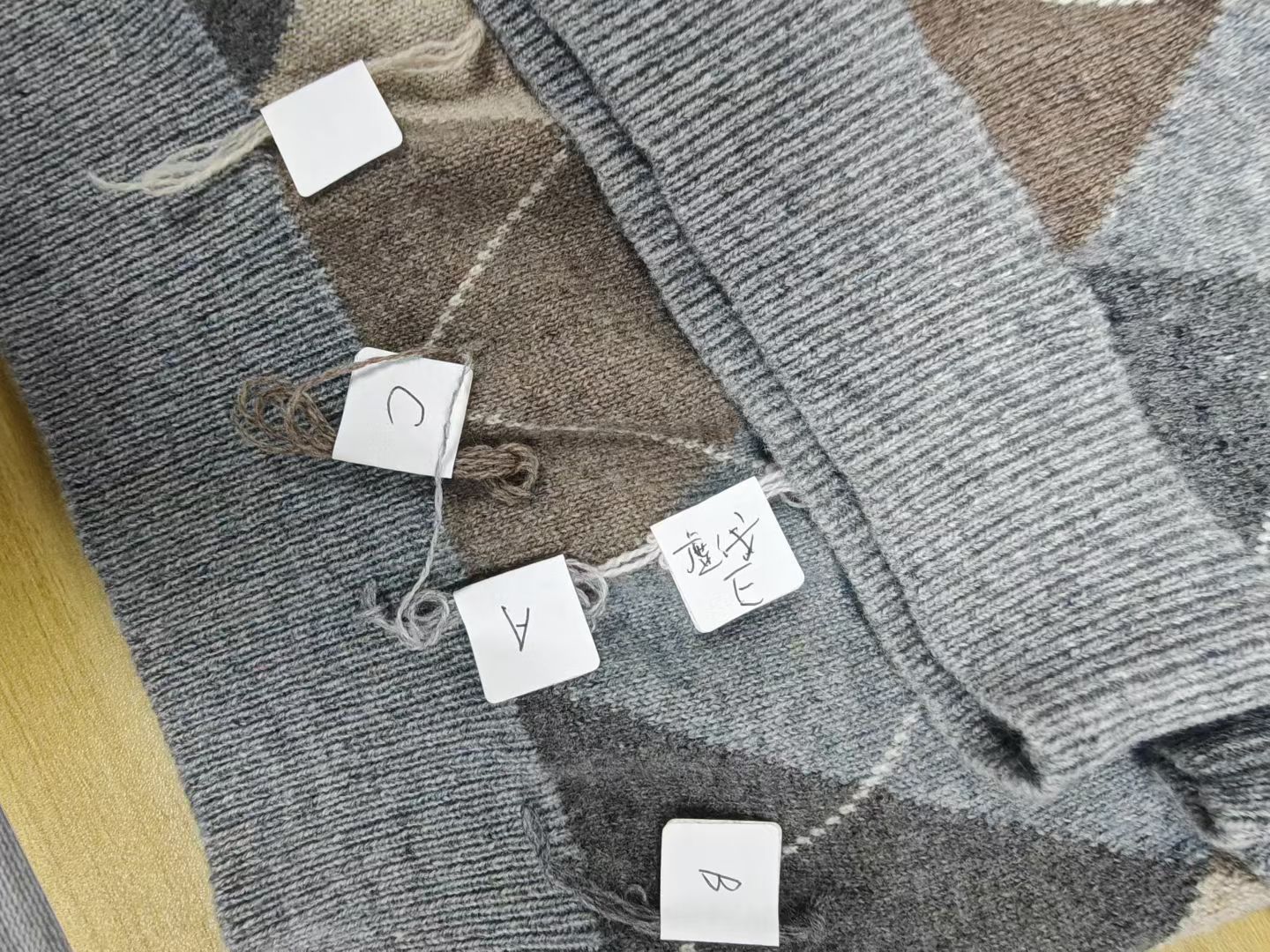
高端针织服装如何选择纱线:羊毛、羊绒、棉与混纺
高端针织服装选纱线,本质上是一次三方匹配:纱线的手感要撑得起你的零售定价,耐用性与护理方式要被终端消费者接受,成本结构要留得住利润空间。实际操作中,大多数高端女装针织系列都建立在四类纱线之上——羊毛、羊绒、棉与混纺,真正的难点不是找出"最好的纤维",而是针对具体款式把每一类纱线定准规格。
本文面向独立设计师品牌、买手店采购、批发商与采购经理,讨论的是在中国针织供应商或供应链伙伴处下单时的纱线决策。内容包括各类纤维的实际表现、混纺在什么情况下更划算、纱线选择如何影响起订量与成本,以及如何把纱线规格写进技术资料包,让打样与大货保持一致。
先定款式,再定纤维
纱线选择应该服务于款式需求,而不是反过来主导款式。在比较羊绒与美利奴羊毛之前,先把四件事定下来:
- 廓形与针距:3针粗针开衫、12针精纺圆领和14针针织连衣裙,对纱线强度、弹性与表面效果的要求完全不同。
- 目标零售价与目标出厂价:纱线通常是毛衣中占比最大的材料成本项,纤维决策基本决定了其余成本的上限。
- 季节与穿着场景:冬季外穿层、过渡季中间层与夏季针织上衣,需要的保暖重量比各不相同。
- 护理预期:手洗、机洗羊毛程序还是仅干洗——这一项会直接排除掉部分纱线。
这四项确定之后,纱线讨论会变得具体而高效;如果没定,打样轮次会不断增加,成本核算也只能靠猜。
羊毛:高端针织的骨架
美利奴与细支羊毛
美利奴羊毛是高端女装针织最稳妥的起点。细支美利奴的手感接近羊绒,成本却明显更低,保形性好,染色一致性也稳定——这对需要跨返单保持颜色一致的品牌尤其重要。12针与14针精纺款式,如圆领、高领与针织连衣裙,常用超细美利奴作为标准配置。
羊毛的关键规格点:
- 细度范围:细度越细手感越软,但成本更高、耐磨性下降。建议写范围而不是单一数值。
- 起球表现:羊毛都会起球,问题在于起球的速度与明显程度。较长的纤维长度与较紧的捻度能降低起球。
- 缩水与可洗性:未经处理的羊毛水洗会毡化。如果成衣必须可机洗,这是纱线层面的决策,不是后整理能补救的。
- 手感后整理:柔软洗与防缩处理会改变最终触感,需确认报价是否已包含。
羔羊毛与设得兰型羊毛
这类羊毛是肌理感强、蓬松度高的款式的主力——拉绒开衫、绞花开衫、宽松廓形毛衣。性价比出色,表面有鲜明的"传统高级感",但不适合贴身、线条利落的廓形。
羊绒:成本与风险同时集中的地方
羊绒是最容易出现"品牌承诺"与"成衣实际表现"落差的纤维。它确实比羊毛更软、更轻、同等克重更暖,同时也明显更贵,品质波动更大。
采购方需要把握三点:
- 等级与产地比"羊绒"两个字更重要。纤维长度、细度与分梳质量,决定了一件毛衣穿十次之后依然平整,还是已经起了一层绒球。询价时要问清报价对应的等级,而不只是成分比例。
- 低价纯羊绒首先是规格问题。如果100%羊绒的报价异常低,在与其他报价比较之前,先确认纤维成分、纱支与成衣克重。
- 羊绒混纺往往是更聪明的商业选择。羊绒羊毛或羊绒真丝混纺能保留大部分高级感,同时把成本控制在可以铺开尺码段、保住利润的范围内。
对多数成长中的高端品牌来说,两三个核心款用规格明确的羊绒混纺,效果往往好过一件100%羊绒的形象款——前者能把投入分散到真正可以返单的系列上。
棉:全年可用的基础层
棉在高端系列中常被低估。它透气、可机洗、亲肤低敏,作为春夏针织上衣、针织连衣裙与过渡季叠穿单品,卖点非常扎实。
需要明确的规格:
- 纱线类型:精梳棉与紧密纺棉的表面比普梳棉更干净平滑;长绒棉强度更高、表面毛羽更少。
- 克重与针距:细针棉针织更接近设计师感,粗针棉针织更偏休闲。针距要与价格带匹配。
- 缩水控制:棉针织必须预缩或后整理到约定的缩水公差,否则第一次水洗后版型就会变化。
- 混纺改善保形:少量氨纶或棉锦混纺能提升贴身款式的回复性。
混纺:大多数高端系列真正落脚的地方
混纺不是成本妥协,而是工程选择。结构合理的混纺,在采购方真正关心的指标上——保形性、抗起球、手感、可洗性与单件成本——可以超过单一纤维。
| 混纺组合 |
改善什么 |
典型用途 |
| 羊毛+羊绒 |
在低于纯羊绒的成本下提升柔软度与蓬松感 |
高端圆领、开衫、针织连衣裙 |
| 羊毛+锦纶 |
耐磨性与形状回复 |
精纺针织、贴身廓形 |
| 棉+羊绒 |
柔软且全年可穿 |
过渡季上衣、轻薄开衫 |
| 棉+莫代尔/粘胶 |
垂坠感、流动感与更凉爽的触感 |
针织连衣裙、夏季针织上衣 |
| 羊毛+真丝 |
光泽、轻盈与精致表面 |
偏礼服感的高端针织 |
评估混纺时,要索取精确的百分比与纱支。"羊毛混纺"本身不是规格——70/30的羊毛锦纶与30/70的羊毛锦纶表现完全不同,不应该按同一个价格报价。
纱线选择如何影响起订量、成本与交期
两件看起来相似的毛衣,起订量与价格却差很多,纱线是主要原因之一。针织供应商备有现货的纱线可以支撑小批量;特殊纱线或定制染色纱通常有纱厂起订量,会把MOQ推高并增加交期。
对采购方的实际影响:
- 现货纱线支撑小批量起步。如果是在买手店试销或小规模直营首发,选择已有现货的纱线,首单才能真正做小。
- 定制颜色会带来染缸起订量。匹染与色纺纱的操作方式不同,需先确认你的色彩企划属于哪一类。
- 纱线供应影响返单速度。再好看的一支纱,如果一季后停产,返单就会变成问题。核心款定下来之前先问清可持续供应情况。
- 针距与纱支决定机器工时。粗针单件编织更慢,细针单件耗纱更多,两者对成本的影响方向相反。
把纱线规格写进技术资料包
大多数打样争议,源头都是纱线规格写得不够完整。针织品的技术资料包至少应包含:
- 按百分比标注的纤维成分,并注明公差(例如±3%)。
- 纱线类型与纱支,以及目标针距。
- 颜色参考与染色方式(现货色、色纺、匹染)。
- 目标成衣克重,按每平方米克重或单件克重。
- 用平实语言描述的手感与表面效果。
- 性能要求:起球等级、缩水公差、色牢度。
- 护理说明的预期,让后整理与洗标保持一致。
这个细致程度,决定了一次顺畅的开发周期,还是三轮"和样品手感不一样"。它在商业上也保护品牌:书面规格既是确认依据,也是返单依据。
供应链伙伴真正增值的地方
纱线选择很少是孤立的一次决策。它与工厂的机器针距、编织程序、后整理路线与交付排期相互牵制。拥有稳定纱线供应网络的生产伙伴,可以把这条链路显著缩短——把款式同时匹配到合适的纱线与合适的编织资源,而不是先后串联。
BARYSSO 位于中国广东东莞大朗,这里是国内针织产能最密集的集群之一。我们的做法是按款式匹配纱线与工厂资源,而不是把所有款式塞进一条固定产线。因此,精纺美利奴项目与粗针混纺开衫项目可以并行开发,各自匹配最合适的资源。开发支持包括来图来样打样、版型微调与专款独家开发;现货起订50件,改款开发起订100件。
对于需要先看到视觉素材再决定大货的品牌,BARYSSO 也会用数字化工具快速生成模特上身图,缩短设计、商品与销售之间的内部确认周期。
常见问题
高端针织里,羊绒一定比美利奴羊毛好吗?
不是。羊绒更软、同等克重更暖,但细支美利奴在耐用性与保形性上更好,成本也更低,贴身或高频穿着的款式往往更适合羊毛。很多高端系列两者都用:羊绒做形象款,美利奴做走量款。
混纺里羊绒占多少比例才算高端?
没有统一门槛,但以优质羊毛为基底、羊绒占比在10%–30%区间的混纺,在高端系列中很常见,柔软度提升可以被感知。低于这个区间,效果比较微妙,宣传说法也更难支撑。
同一个款式换一种纱线,为什么价格差很多?
每公斤纱价、单件耗纱量、编织工时与后整理要求,都会随纤维与针距变化。同一廓形的粗针羊毛款与精纺羊绒混纺款,在材料成本与机器工时上可能相差很大。
针织项目可以小批量起步吗?
可以,前提是纱线有现货、款式不需要定制染色。现货纱线是小批量首单的常规路径;定制颜色与特殊纱线通常因为纱厂染缸起订量而要求更高的起订数。
怎么确保大货和样品一致?
在打样前就把纱线规格写进技术资料包,用大货实际纱线确认产前样,并以书面形式确认染色方式与颜色参考。大多数不一致来自纱线规格写得不够,而不是生产出错。
纱线选择会影响交期吗?
会。现货纱线缩短关键路径;定制染色或特殊纱线会在编织开始之前就增加纱厂交期。上市时间紧的项目,尽早确认纱线供应情况与确认产能同样重要。
下一步
如果你正在搭建或更新高端针织产品线,最有用的下一步是在询价之前,先为两三个核心款写好纱线规格——纤维成分、针距、克重、染色方式与性能要求。这一份文件会让之后与针织生产商的每一次沟通都更快、更可比。已有明确款式、参考样衣或技术资料包的品牌,可以联系 BARYSSO 讨论纱线方案与开发排期。
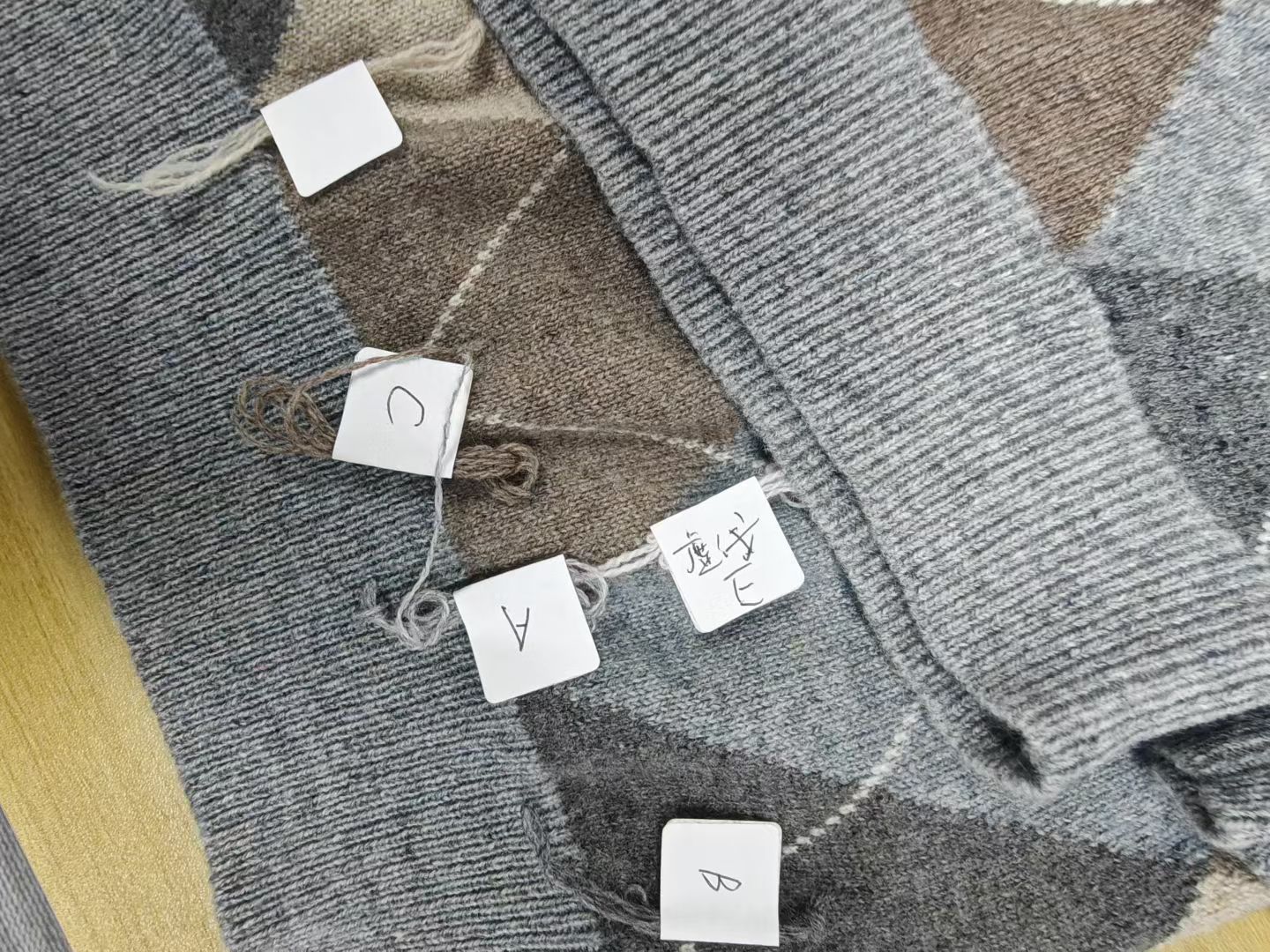
How to Choose the Right Yarn for Premium Knitwear: Wool, Cashmere, Cotton and Blends
The right yarn for premium knitwear is the one that matches three things at once: the hand-feel your customer expects at your retail price, the durability and care profile your end user will accept, and the cost structure your margin can carry. In practice, most premium women's knitwear programs are built on a small core of four yarn families — wool, cashmere, cotton and blends — and the sourcing decision is less about finding a "best" fiber than about specifying each one correctly for a specific style.
This guide is written for independent designer brands, boutique buyers, wholesalers and sourcing managers who are placing knitwear production with a Chinese knitwear manufacturer or supply chain partner. It covers how each yarn family behaves, where blends earn their place, how yarn choice affects MOQ and costing, and how to write yarn specifications into a tech pack so that sampling and bulk production stay aligned.
Start With the Garment, Not the Fiber
Yarn selection should follow the style brief, not lead it. Before comparing cashmere to merino, define four parameters for the garment:
- Silhouette and gauge: a 3gg chunky cardigan, a 12gg fine-gauge crewneck and a 14gg knit dress put very different demands on yarn strength, elasticity and surface appearance.
- Target retail price and target FOB: yarn is usually the single largest material cost line in a sweater, so the fiber decision sets the ceiling for everything else.
- Season and wear occasion: a winter outer layer, a transitional mid-layer and a summer knit top each need different warmth-to-weight ratios.
- Care expectations: hand wash, machine wash wool cycle, or dry clean only — this choice eliminates some yarns immediately.
Once these four are fixed, the yarn conversation becomes specific and fast. When they are not fixed, sampling rounds multiply and costing becomes guesswork.
Wool: The Backbone of Premium Knitwear
Merino and fine wool
Merino is the most reliable starting point for premium women's knitwear. Fine micron merino delivers softness close to cashmere at a materially lower cost, holds shape well, and takes dye consistently — which matters when a brand needs repeatable color across reorders. For 12gg and 14gg fine-gauge styles, extrafine merino is a common specification for crewnecks, turtlenecks and knit dresses.
Key specification points for wool:
- Micron range: finer micron means softer hand-feel but higher cost and lower abrasion resistance. Specify a range, not a single number.
- Pilling performance: wool pills; the question is how quickly and how visibly. Longer staple length and tighter twist reduce pilling.
- Shrinkage and washability: untreated wool felts in washing. If the garment must be machine washable, this is a yarn decision, not a finishing decision.
- Hand-feel finishing: soft-wash and anti-shrink treatments change the final touch — confirm whether they are included in the quoted price.
Lambswool and Shetland-type wool
These are the workhorses for textured, loftier garments — brushed cardigans, cable knits, relaxed oversized sweaters. They offer excellent value and a distinctly "premium heritage" surface, but they are less appropriate for sleek, close-fitting silhouettes.
Cashmere: Where the Cost and the Risk Both Sit
Cashmere is the fiber most likely to create a gap between what a brand promises and what the garment delivers. It is genuinely softer, lighter and warmer per gram than wool, and it is also significantly more expensive and more variable in quality.
Three practical points for buyers:
- Grade and origin matter more than the word "cashmere." Fiber length, diameter and dehairing quality determine whether a sweater stays smooth after ten wears or develops a halo of pills. Ask what grade is being quoted, not just the percentage.
- Pure cashmere at a low price is a specification question. If a quote looks unusually low for 100% cashmere, clarify the fiber content, the yarn count and the garment weight before comparing it to other offers.
- Cashmere blends are often the smarter commercial choice. A cashmere–wool or cashmere–silk blend can deliver most of the perceived luxury at a cost that supports a wider size range and better margin.
For most emerging premium brands, a well-specified cashmere blend in two or three core styles outperforms a single 100% cashmere hero piece — it spreads the investment across a collection that can actually be reordered.
Cotton: The Year-Round Base Layer
Cotton knitwear is often underestimated in premium assortments. It is breathable, machine washable, hypoallergenic and easy to wear next to skin — all strong selling points for spring/summer knit tops, knit dresses and transitional layering pieces.
What to specify:
- Yarn type: combed and compact-spun cotton gives a cleaner, smoother surface than carded cotton; long-staple cotton improves strength and reduces surface fuzz.
- Weight and gauge: fine-gauge cotton knits read as "designer"; heavy-gauge cotton reads as casual. Match the gauge to the price tier.
- Shrinkage control: cotton knitwear must be pre-shrunk or finished to a stated shrinkage tolerance, otherwise fit changes after the first wash.
- Blending for shape retention: small percentages of elastane or a cotton–nylon blend improve recovery in fitted styles.
Blends: Where Most Premium Programs Actually Live
Blends are not a cost compromise — they are an engineering choice. A well-constructed blend can outperform a single fiber on the metrics that matter to a buyer: shape retention, pilling resistance, hand-feel, washability and cost per garment.
| Blend |
What It Improves |
Typical Use |
| Wool–cashmere |
Softness and loft at lower cost than pure cashmere |
Premium crewnecks, cardigans, knit dresses |
| Wool–nylon |
Abrasion resistance and shape recovery |
Fine-gauge knits, fitted silhouettes |
| Cotton–cashmere |
Softness with year-round wearability |
Transitional tops, lightweight cardigans |
| Cotton–modal / viscose |
Drape, fluidity and a cooler hand-feel |
Knit dresses, summer knit tops |
| Wool–silk |
Sheen, lightness and a refined surface |
Elevated evening knitwear |
When evaluating a blend, ask for the exact percentage breakdown and the yarn count. "Wool blend" alone is not a specification — 70/30 wool–nylon and 30/70 wool–nylon behave like different products and should not be quoted at the same price.
How Yarn Choice Affects MOQ, Costing and Lead Time
Yarn is one of the main reasons two apparently similar sweaters carry very different minimum order quantities and prices. Stock-service yarns held by a knitwear supplier allow smaller runs; specialty or custom-dyed yarns usually require a mill minimum, which pushes MOQ up and adds lead time.
Practical implications for buyers:
- Stock yarns support small-batch entry. If you are testing a style with a boutique or a small direct-to-consumer launch, choosing a yarn already held in stock can keep the first order genuinely small.
- Custom color adds a dye-lot minimum. Piece-dyed and yarn-dyed programs behave differently; confirm which one your color story requires.
- Yarn availability affects reorder speed. A beautiful yarn that is discontinued after one season creates a reorder problem. Ask about continuity before committing to a core style.
- Gauge and yarn count drive machine time. Chunky gauges are slower to knit per unit; fine gauges consume more yarn per garment. Both move the cost, in opposite directions.
Writing Yarn Specifications Into a Tech Pack
Most sampling disputes trace back to an incomplete yarn specification. A tech pack for knitwear should state, at minimum:
- Fiber content by percentage, with tolerance (for example, ±3%).
- Yarn type and count, plus the intended gauge.
- Color reference and dye method (stock, yarn-dyed, piece-dyed).
- Target garment weight in grams per square meter or per piece.
- Hand-feel and surface description in plain language.
- Required performance: pilling grade, shrinkage tolerance, colorfastness.
- Care instruction intent, so finishing is chosen to match the label.
This level of detail is what separates a smooth development cycle from three rounds of "it feels different from the sample." It also protects the brand commercially: a written specification is the reference point for both approval and reorder.
Where a Supply Chain Partner Adds Real Value
Yarn selection is rarely a single decision made in isolation. It interacts with the factory's machine gauge, the knitting program, the finishing route and the delivery schedule. A production partner with an established yarn supply network can shorten this loop considerably — matching a style to the right yarn and the right knitting resource at the same time, rather than sequentially.
At BARYSSO, based in Dalang, Dongguan — one of China's densest knitwear production clusters — yarn and factory resources are matched to each style rather than forced into a single fixed line. That means a fine-gauge merino program and a chunky blended cardigan program can be developed in parallel, each with the resource best suited to it. Development support covers sampling from reference garments or technical drawings, fit adjustments, and exclusive style development, with stock-service options from 50 pieces and development orders from 100 pieces.
For brands that need visual assets before committing to bulk, BARYSSO also uses digital tools to generate on-model visuals quickly, which shortens the internal approval cycle between design, merchandising and sales.
Frequently Asked Questions
Is cashmere always better than merino for premium knitwear?
No. Cashmere is softer and warmer per gram, but fine merino offers better durability and shape retention at a lower cost, and it is often the better choice for fitted or high-wear styles. Many premium collections use both, positioning cashmere as the hero fiber and merino as the volume driver.
What percentage of cashmere in a blend still counts as premium?
There is no universal threshold, but blends in the 10–30% cashmere range with a quality wool base are common in premium assortments and deliver a noticeable softness upgrade. Below that, the effect is subtle and the marketing claim becomes harder to support.
Why does the same style cost more in one yarn than another?
Yarn price per kilogram, yarn consumption per garment, knitting time and finishing requirements all differ by fiber and gauge. A chunky wool style and a fine-gauge cashmere blend of identical silhouette can differ substantially in material cost and machine time.
Can I start a knitwear program with a small order?
Yes, if the yarn is available in stock and the style does not require custom dyeing. Stock-yarn programs are the usual route for small first orders; custom colors and specialty yarns typically require higher minimums because of mill dye-lot requirements.
How do I make sure the bulk order matches the sample?
Write the yarn specification into the tech pack before sampling, approve a production-standard sample in the actual bulk yarn, and confirm the dye method and color reference in writing. Most mismatches come from an underspecified yarn line, not from production error.
Does yarn choice affect delivery time?
Yes. Stock yarns shorten the critical path; custom-dyed or specialty yarns add mill lead time before knitting even begins. For tight launch calendars, confirming yarn availability early is as important as confirming capacity.
Next Step
If you are building or refreshing a premium knitwear line, the most useful next action is to define the yarn specification for two or three core styles before requesting quotes — fiber content, gauge, weight, color method and performance requirements. That single document will make every subsequent conversation with a knitwear manufacturer faster and more comparable. Brands with a defined style, a reference sample or a tech pack can contact BARYSSO to discuss yarn options and development timing.